
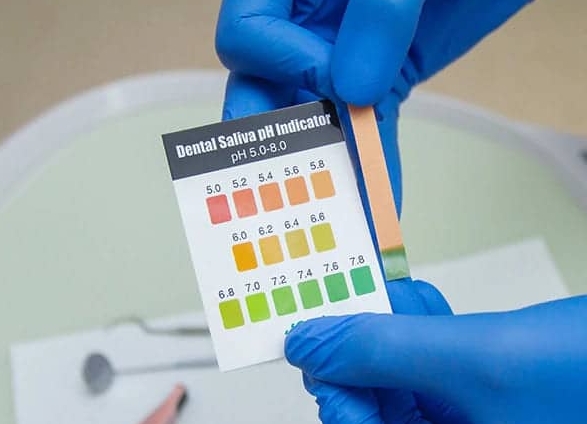
Salivary pH and the impacts on the body
An acidic saliva pH, typically measured below the normal range of 6.2 to 7.6, serves as a primary indicator of both localized oral health issues and potential systemic conditions. While saliva pH naturally fluctuates during the day after eating or drinking, a chronically low pH suggests an environment that is detrimental to tooth enamel and may correlate with broader health imbalances.
Impact on Oral Health
- Enamel Erosion and Demineralization: When salivary pH drops below the “critical level” of 5.5, the minerals in tooth enamel begin to dissolve (demineralization). Because enamel cannot grow back, this damage is permanent.
- Increased Cavity Risk: Acidic environments favor the growth of harmful, acid-producing bacteria that cause tooth decay and cavities.
- Tooth Sensitivity: As enamel thins, the underlying dentin is exposed, leading to sharp pain or discomfort when consuming hot, cold, or sugary items.
- Gum Disease: Chronic acidity is linked to more severe forms of periodontal disease. A more acidic pH is frequently found in patients with generalized chronic periodontitis.
- Other Symptoms: Persistent bad breath (halitosis) and a yellowish discoloration of the teeth are common indicators of a chronically acidic oral environment.
Relationship to Systemic Health
Saliva is often considered a “window” into the rest of the body’s health. Consistently acidic saliva may reflect or contribute to:
- Metabolic Acidosis: Very low pH levels in saliva can sometimes indicate that the body is struggling to balance overall acid-base levels, potentially relating to kidney or lung function.
- Chronic Diseases: Low salivary and blood pH have been associated with systemic conditions such as high blood pressure, kidney disease, diabetes, and even cardiovascular disease.
- Digestive Disorders: Conditions like Gastroesophageal Reflux Disease (GERD) can cause stomach acid to enter the mouth, significantly lowering salivary pH and causing rapid tooth erosion.
Common Causes of Acidic Saliva
- Dietary Habits: Frequent consumption of sugary foods, sodas, fruit juices, and coffee.
- Tobacco and Alcohol: Both smoking and excessive alcohol use alter saliva’s composition and lower its pH.
- Dry Mouth (Xerostomia): Saliva acts as a natural buffer to neutralize acids. If saliva flow is reduced due to dehydration or medications (like antidepressants), the mouth remains acidic longer.
- Stress and Aging: Chronic stress can affect salivary gland function, and adults generally tend to have more acidic saliva than children.
Are you experiencing any specific symptoms like tooth sensitivity or persistent bad breath that led you to check your saliva pH?
Continue checking your pH and write it down for one week, morning, mid-day and evening. Once you’ve collected this data, then you have an average. This should be telling enough to assist you in making some changes.
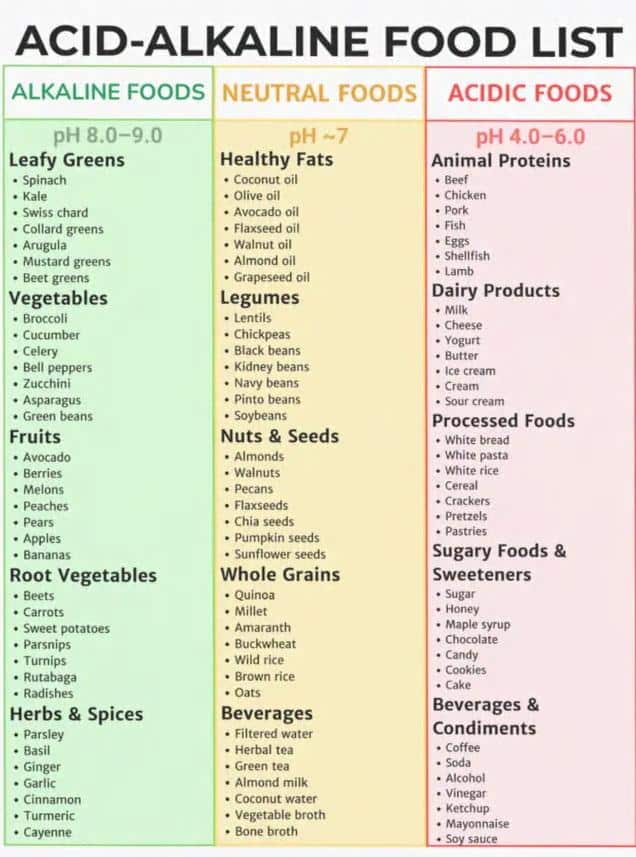
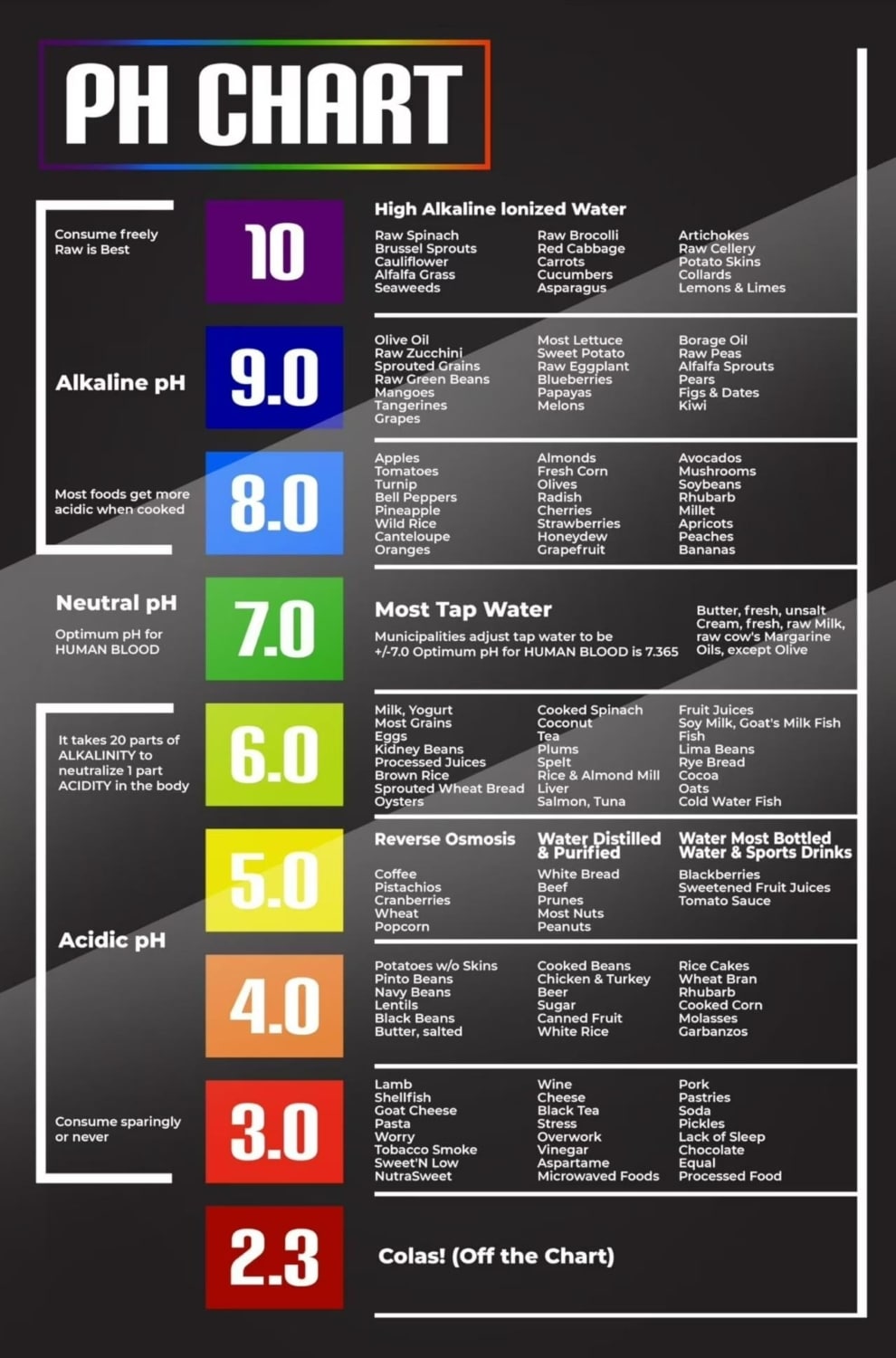
There are many charts that assist you in managing your dietary intake and improving your pH. This chart below is but one. Many more can be found online.
Using a high pH water filter system can also add to your improvements. Consider the quality of your water intake as well as this too has a huge impact.



Leave a Reply
Want to join the discussion?Feel free to contribute!