The Hidden Metal in Your Mouth: Why Safe Mercury Amalgam Removal Protects Your Whole Body

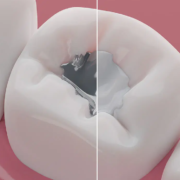
If you have older “silver” fillings, here is something most people never hear at a routine dental visit: those fillings are not actually silver. A traditional dental amalgam filling is roughly 50% mercury by weight, bound together with a powdered alloy of silver, tin, and copper. The silver-gray color is what gave them their friendly nickname — but the heaviest ingredient in the mix is one of the most studied toxic metals on earth.

At Smilecreator of Alabama, our holistic and biological approach starts from a simple idea: what goes into your body — and what we drill out of it — should support your health, not work against it. That philosophy is exactly why how an amalgam filling is removed matters just as much as whether it should be removed at all.

What “Silver” Fillings Really Are

Dental amalgam has been used for more than 150 years because it is cheap, fast, and durable. For decades it was simply marketed as a “silver filling,” a name that quietly leaves out the mercury. In 2020, the U.S. Food and Drug Administration even advised dentists to stop calling amalgam “silver-colored fillings” and to describe them accurately as mercury-containing.

The important point is not that the filling sits in your tooth — it’s that amalgam is not inert. Research recognized by the FDA and the International Academy of Oral Medicine and Toxicology (IAOMT) shows that amalgam fillings release small amounts of mercury vapor over time, and that release increases during chewing, teeth grinding, brushing, and especially during the placement or removal of the filling. For a single healthy filling in a healthy adult, that exposure is low. But mercury is a metal the body never truly needs, and biological dentistry takes a “less is better” view of any unnecessary toxic load.

The Oral–Systemic Connection: Your Mouth Is Not Separate From Your Body

If you’ve read our blog before, you already know our recurring theme: the mouth is a gateway to the rest of the body, not an isolated zone. We’ve explored how gum disease can quietly affect your overall health, how TMJ problems ripple outward, and how straighter teeth can mean a healthier body.

Mercury fits the same story. Holistic dentists view the body as a connected, balanced system — even, in many traditions, as an energy field carrying its own electrical charges. From that perspective, placing reactive metals in the mouth can be one more variable the body has to manage. Whenever possible, we prefer non-metallic, biocompatible materials that don’t introduce that variable in the first place.

To be clear and honest: mainstream dental organizations consider amalgam acceptable for most adults, and the science on low-level exposure is still debated. What is not debated is that mercury is toxic, that amalgam releases it, and that certain people are more vulnerable than others. That’s where careful, individualized decisions come in.

Who Should Be Especially Cautious About Mercury Fillings?

In its 2020 safety communication, the FDA recommended that several higher-risk groups avoid getting new amalgam fillings whenever possible and appropriate. Those groups include:

  • Pregnant women and their developing babies
  • Women who are planning to become pregnant
  • Nursing mothers and their infants
  • Children, especially those younger than six
  • People with pre-existing neurological conditions such as MS, Alzheimer’s, or Parkinson’s disease
  • People with impaired kidney function
  • People with a known allergy or heightened sensitivity to mercury or other amalgam components

If you fall into one of these categories, it’s worth a conversation about your existing fillings and what materials make sense for you going forward.

Why How You Remove Amalgam Matters

Here’s a critical detail that surprises many patients: the single moment a mercury filling releases the most vapor and fine particulate is when it is being drilled out. Removing amalgam carelessly — without proper protection — can actually expose you, the dental team, and the environment to more mercury than simply leaving the filling alone.

This is the heart of biological dentistry. Removing mercury fillings is not inherently “safe” just because they’re coming out. It’s only safe when it’s done with the right protocol. Choosing a dentist who removes amalgam casually, with no special precautions, can defeat the entire purpose.

Inside the SMART Protocol for Safe Mercury Amalgam Removal

To address this exact problem, the IAOMT developed the Safe Mercury Amalgam Removal Technique (SMART) — a rigorous, science-based set of safeguards that go far beyond ordinary drilling. The protocol layers multiple protective measures so that mercury vapor and particles are captured and contained instead of inhaled or swallowed. Key elements include:

  • A protective rubber dam to isolate the tooth and keep debris out of your mouth and airway
  • High-volume suction positioned to capture vapor and particulate right at the source
  • Copious water irrigation to cool the filling and reduce vapor release while drilling
  • Supplemental air or oxygen delivered through a nasal mask so you breathe clean air, not chairside vapor
  • Mercury-rated protective barriers for the dental team and room air filtration to clear the environment
  • An amalgam separator that collects mercury waste so it never enters the water system

At Smilecreator of Alabama, our biological practice also draws on supportive tools we use throughout our holistic work — including medical-grade ozone to disinfect the site and activated charcoal, which helps bind and block stray metal particles during removal. Combined with specialized suction and vacuum devices, these measures help keep our patients, our team, and our planet cleaner during the process.

What Happens After Your Fillings Come Out

Removal is only half the job. Once a mercury filling is out, the tooth needs a strong, natural-looking, biocompatible restoration — typically a tooth-colored composite, or in larger cases a crown or onlay chosen for both durability and compatibility with your body. Because we use advanced digital dental technology, these restorations can be designed to fit precisely and blend seamlessly with your smile.

Many holistic patients also appreciate that we think beyond the chair — supporting healing with good nutrition, quality vitamins and minerals, pH-balanced hydration, and coordination with your other healthcare providers when appropriate.

Should You Have Your Amalgam Fillings Removed?

This is where honesty matters more than hype. Biological dentistry does not mean ripping out every filling you own. As a safety precaution, the IAOMT specifically advises against removing amalgam fillings during pregnancy or breastfeeding, because removal itself temporarily raises mercury exposure.

The right answer depends on you: whether a filling is failing, cracked, or leaking; whether you’re in a higher-risk group; whether you have symptoms or sensitivities; and what your personal health goals are. A thoughtful biological dentist will help you weigh these factors instead of pressuring you into a one-size-fits-all decision. The goal is the safest path for your body — which sometimes means replacing fillings, and sometimes means leaving healthy ones in place.

A Biological Approach, Right Here Near Lake Martin

Finding a dentist who removes mercury fillings safely — with a true protocol rather than a regular drill — can be surprisingly difficult. For patients across the Lake Martin region and beyond, Smilecreator of Alabama offers that option close to home. Dr. Nilo Hernandez has practiced dentistry since 1991 and built his Dadeville practice around holistic, whole-body care, advanced digital technology, and a genuinely gentle chairside manner that puts even anxious patients at ease.

If those old silver fillings have been on your mind, you don’t have to guess. Let’s look at them together and build a plan that fits your health, your timeline, and your goals.

Frequently Asked Questions

Are mercury amalgam fillings dangerous? A single intact filling exposes most healthy adults to low mercury levels. However, mercury is toxic, amalgam releases vapor over time, and the FDA recommends that certain higher-risk groups avoid it. Many patients simply prefer mercury-free, biocompatible alternatives.

Is it safe to remove mercury fillings? It can be — but only with proper precautions. Removal releases more vapor than a filling does while sitting in the tooth, which is why the SMART protocol exists. Casual removal without safeguards can increase your exposure.

What is the SMART protocol? SMART (Safe Mercury Amalgam Removal Technique) is the IAOMT’s evidence-based set of protective measures — rubber dam isolation, high-volume suction, water irrigation, clean supplemental air, filtration, and amalgam separators — designed to minimize mercury exposure during removal.

Do I have to replace all my fillings at once? No. Removal is individualized. We consider which fillings are failing, your health profile, and your priorities, then plan accordingly. Pregnant or breastfeeding patients should generally postpone elective removal.

Where can I get safe amalgam removal near Dadeville, AL? Smilecreator of Alabama provides biological, whole-body dental care — including safe mercury amalgam removal — in Dadeville, convenient to the entire Lake Martin area.


Ready to talk about your fillings?

📍 Smilecreator of Alabama — 5958 AL-49 Unit C, Dadeville, AL 36853 📞 256-373-8333 (after hours: 208-646-1464) ✉️ info@smilecreator.com 🕘 Monday–Thursday, 9:00 AM – 5:00 PM

👉 Request an Appointment and ask about safe mercury amalgam removal and our biological approach to whole-body dental care.

Medical disclaimer: This article is for general educational purposes and does not replace personalized advice from a licensed dentist or physician. Decisions about amalgam removal should be made in consultation with your dental and medical providers.
 

The Hole You Can’t See: What Jawbone Cavitations (NICO) Are and Why Your Whole Body May Care

You finally got that troublesome tooth pulled — maybe a wisdom tooth, maybe a root-canaled molar that never felt right. The gum healed over, the dentist signed off, and on paper everything looks fine. Yet months or even years later, something still isn’t right: a dull ache in the jaw, facial pain that wanders, fatigue you can’t explain, or symptoms that never quite trace back to a clear cause.

For some patients, the answer is hidden in a place a routine dental X-ray rarely shows: inside the jawbone itself. In biological dentistry, this is known as a jawbone cavitation — and understanding it is one of the things that sets a holistic, biological dental practice apart from a conventional one.

A Cavitation Is Not a Cavity

First, let’s clear up the most common confusion. A cavity is decay in a tooth. A cavitation is something else entirely: an area of poorly healed, low-blood-flow, or necrotic (dead) bone inside the jaw — usually at the site of a past extraction.

Over the years, this condition has gone by several names in the dental and research literature, including:

  • NICO — Neuralgia-Inducing Cavitational Osteonecrosis
  • FDOJ — Fatty-Degenerative Osteonecrosis of the Jawbone
  • Ischemic or aseptic osteonecrosis of the jaw
  • Areas of impaired healing, as some maxillofacial radiologists describe them

The common thread is a pocket within the bone where normal healing never fully completed, leaving behind a hollow, fatty, or infected void instead of solid, healthy bone.

Why Cavitations Form

Healthy bone needs a good blood supply to heal. When that supply is disrupted, or when infected tissue is left behind after a tooth comes out, the socket may close over on the surface while never properly filling in underneath. Common contributing factors include:

  • Tooth extractions — particularly wisdom teeth, where the surgery can be invasive and the body isn’t always well prepared to heal
  • Incomplete debridement — when the thin, infected periodontal ligament lining the socket isn’t fully cleaned out at the time of extraction
  • Old root-canal-treated teeth and chronic low-grade infection
  • Dry sockets, trauma, or poor post-surgical healing

It’s worth being upfront here: the existence and significance of cavitations is debated in dentistry. Mainstream dental organizations consider true NICO uncommon and still under study, while biological dentists — and a growing body of research — propose that these silent bone lesions are more common and more clinically meaningful than they’re given credit for. We think patients deserve to hear both sides and decide with good information.

The Oral–Systemic Question

If you’ve followed our blog, you know our central theme: the mouth and the body are connected, not separate. We’ve written about how gum disease can affect your overall health and how TMJ problems ripple through the whole body. Cavitations raise the same kind of question.

Researchers such as Lechner and von Baehr have reported that these jawbone lesions can produce inflammatory signaling molecules — cytokines like RANTES/CCL5, TNF-α, IL-1β, and IL-6 — that don’t necessarily stay put. The hypothesis in biological dentistry is that this “silent inflammation” in the jaw may contribute to systemic symptoms, which is why some patients with chronic, hard-to-pin-down complaints explore a cavitation evaluation.

To be clear and responsible: this is an area of active research and debate, not settled medical fact. A cavitation evaluation is not a cure-all, and we don’t present it that way. But for the right patient, it’s a reasonable piece of the puzzle to investigate.

Symptoms People Report

Cavitations can be completely silent — many produce no obvious symptoms at all. When symptoms do appear, patients commonly describe:

  • Persistent or aching jaw pain, often near an old extraction site
  • Facial pain that radiates, sometimes toward the ear or temple
  • TMJ-area discomfort
  • A vague sense that an old extraction “never fully healed”
  • In some cases, broader complaints like chronic fatigue that the patient connects to their oral health

Because these symptoms overlap with many other conditions, a cavitation is something to rule in or out carefully — not to assume.

Why Regular X-Rays Miss Them

Here’s the diagnostic catch: a standard 2-D dental X-ray often can’t reveal a cavitation. The bone change is three-dimensional and can hide within the surrounding structure, which is exactly why these areas are so often overlooked.

That’s where modern imaging changes the picture. A CBCT (cone-beam computed tomography) scan produces a detailed 3-D view of the jaw, and with the right software a trained biological dentist can measure differences in bone density — using metrics like Hounsfield units — to locate and map suspected pockets of low-density or necrotic bone that a flat X-ray would simply not show.

How a Biological Dentist Evaluates and Treats Cavitations

At Smilecreator of Alabama, we approach suspected cavitations the way we approach all of our biological dentistry: thoroughly, conservatively, and with the whole body in mind. The general process includes:

  • Advanced 3-D imaging. A CBCT scan with bone-density measurement to locate and plot any suspected lesion precisely, since these areas rarely appear on conventional X-rays.
  • Conservative surgical cleaning (debridement). When treatment is warranted, a small, targeted incision is made over the mapped area to remove dead or infected bone and any leftover ligament tissue — the core step in resolving the lesion.
  • Disinfection with medical-grade ozone. Ozone helps destroy bacteria, viruses, and fungi, reduce inflammation, and increase oxygenation at the site.
  • Gentle, precise instrumentation. Tools such as PiezoSurgery and lasers allow tissue-sparing cleaning and additional disinfection.
  • Regenerative support with PRF. Platelet-Rich Fibrin, drawn from your own blood, is rich in growth factors that support natural healing and new, healthy bone formation — often combined with bone grafting.
  • Whole-body healing support. Detoxification support, nutrition, and oxygen-based therapies can complement recovery, in keeping with our holistic philosophy.

There’s an added practical benefit: healthy, well-healed bone is also the foundation for successful dental implants. Addressing a compromised site first can improve the odds of long-term implant success down the road.

Should You Be Checked for a Cavitation?

Not everyone needs a cavitation work-up, and we don’t believe in manufacturing concern. But it may be worth a conversation if you have:

  • Lingering pain or a “never healed right” feeling at an old extraction site (especially wisdom teeth)
  • Unexplained facial or jaw pain that conventional dental exams haven’t resolved
  • A history of difficult extractions, dry sockets, or old root canals — paired with chronic, hard-to-explain symptoms
  • A desire for a thorough, whole-body dental evaluation before implant treatment

The honest goal is clarity: a careful exam and, when appropriate, 3-D imaging to find out what’s actually there — no more, no less.

A Biological Approach Near Lake Martin

Finding a dentist who even looks for cavitations — let alone has the imaging and training to evaluate them — can be difficult. For patients across the Lake Martin region, Smilecreator of Alabama offers that biological perspective close to home. Dr. Nilo Hernandez has practiced dentistry since 1991 and built his Dadeville office around holistic, whole-body care supported by advanced digital technology and a famously gentle chairside manner.

If an old extraction or unexplained jaw discomfort has been nagging at you, you don’t have to keep guessing.

Frequently Asked Questions

What is a jawbone cavitation? It’s an area of poorly healed, low-blood-flow, or dead bone inside the jaw — usually at an old extraction site. It is different from a tooth cavity, which is decay in a tooth. It’s also referred to as NICO, FDOJ, or ischemic osteonecrosis of the jaw.

Are cavitations real? They’re recognized and treated within biological dentistry and supported by a growing body of research, but their frequency and clinical importance are still debated in mainstream dentistry. We discuss the evidence openly so you can make an informed choice.

Why didn’t my regular X-ray show a cavitation? Standard 2-D X-rays often can’t reveal these three-dimensional bone changes. A 3-D CBCT scan with bone-density analysis is far better suited to detecting them.

How are cavitations treated? When treatment is appropriate, the lesion is conservatively cleaned out (debridement), disinfected with ozone and lasers, and supported with regenerative therapies like PRF and, when needed, bone grafting to encourage healthy bone regrowth.

Where can I get evaluated for cavitations near Dadeville, AL? Smilecreator of Alabama provides biological, whole-body dental care — including cavitation evaluation and treatment — in Dadeville, convenient to the entire Lake Martin area.


Have a “mystery” jaw issue worth a closer look?

📍 Smilecreator of Alabama — 5958 AL-49 Unit C, Dadeville, AL 36853 📞 256-373-8333 (after hours: 208-646-1464) ✉️ info@smilecreator.com 🕘 Monday–Thursday, 9:00 AM – 5:00 PM

👉 Request an Appointment and ask about a biological evaluation for jawbone cavitations and whole-body dental care.


Medical disclaimer: This article is for general educational purposes and does not replace personalized advice from a licensed dentist or physician. The diagnosis and significance of jawbone cavitations (NICO) is an area of ongoing research and clinical debate. Any decision about evaluation or treatment should be made in consultation with a qualified provider after an individual examination.


Metal-Free, Naturally: Are Zirconia Dental Implants the Right Choice for Your Body?

Replacing a missing tooth is about far more than filling a gap. A dental implant becomes a permanent part of you — placed in your jawbone, surrounded by living tissue, and (ideally) staying there for the rest of your life. So it’s fair to ask a question most patients are never offered: what should that permanent part of you be made of?

For decades the default answer has been titanium. But there’s now a metal-free alternative that fits naturally with how we practice at Smilecreator of Alabama: zirconia dental implants. As a holistic and biological dental office, we believe whatever we place in your body should work with it — so let’s look honestly at both materials and who each one suits best.

Two Ways to Replace a Tooth Root

Every dental implant does the same basic job: a small post is placed in the jaw to act as a new tooth root, and over a few months the bone fuses to it in a process called osseointegration. A crown is then attached on top. The difference comes down to what that post is made of.

  • Titanium implants are the long-standing standard — a strong, lightweight metal alloy used in implant dentistry for over 50 years.
  • Zirconia implants are made from zirconium dioxide, a high-strength white ceramic. They’re often called “ceramic” or “metal-free” implants and have grown in popularity among patients seeking a more biocompatible, natural-looking option.

Both are FDA-cleared, and both achieve excellent success rates — studies generally report figures in the range of 94–98% over roughly ten years for well-placed implants of either material. So this isn’t a story of “good vs. bad.” It’s a story of fit.

What Makes Zirconia a “Biological” Choice

If you’ve read our biological dentistry philosophy, you know one of our guiding principles: holistic dentists prefer non-metallic materials so as not to disrupt the body’s natural balance and electrical charge. Zirconia lines up with that thinking in several concrete ways:

  • Completely metal-free. Zirconia contains no metal alloy, which appeals to patients who want to minimize the metals placed in their body — and to the roughly fewer-than-1% of people with a genuine titanium or metal sensitivity.
  • Excellent biocompatibility. Research consistently shows favorable tissue response and reliable integration with bone. The body tends to accept zirconia readily, with minimal inflammatory reaction.
  • Non-conductive and corrosion-free. Because it’s a ceramic, zirconia doesn’t conduct electricity and isn’t subject to the galvanic currents or corrosion that some biological dentists associate with mixing metals in the mouth.
  • Lower bacterial adhesion. Zirconia’s smooth surface appears to resist bacterial buildup, which may help support healthy gum tissue around the implant and reduce the risk of peri-implant inflammation.
  • Beautifully natural aesthetics. Zirconia is tooth-colored white rather than gray. That matters most at the gumline and in the front of the mouth, where a thin or receding gum can let a darker titanium post show through as a faint shadow.

This is exactly the kind of “work with the body” reasoning that drew many of our patients to biological dentistry in the first place — the same thinking behind safe, mercury-free restorations and biocompatible materials throughout the mouth.

The Honest Case for Titanium

A trustworthy comparison has to give titanium its due — and it deserves plenty. Titanium remains the gold standard in implant dentistry for good reasons:

  • Decades of proven data. With 50+ years of clinical use and the lion’s share of implants placed worldwide, titanium has the deepest track record of any implant material.
  • Exceptional strength and flexibility. Titanium’s mechanical properties make it extremely reliable for heavy load-bearing areas, such as back molars that endure powerful chewing forces.
  • Restorative versatility. Titanium implants are commonly two-piece systems, giving the dentist more flexibility to angle and position the final crown — useful in complex cases.

By contrast, zirconia is a newer option, so its very-long-term data is still maturing. Many zirconia implants are one-piece designs (which has both pros and cons), they can cost somewhat more, and they may call for careful case selection. For most patients, titanium is a safe, excellent, well-understood choice — and an honest biological dentist will say so.

Zirconia vs. Titanium at a Glance

Consideration Zirconia (Ceramic) Titanium (Metal)
Material Metal-free ceramic (zirconium dioxide) Titanium metal alloy
Biocompatibility Excellent; metal-free, hypoallergenic Excellent; very well tolerated
Aesthetics Tooth-colored white; no gray shadow at gumline Gray metal; can show through thin gums
Track record Strong and growing; long-term data still maturing 50+ years; deepest evidence base
Strength High; well-suited to most cases Very high; ideal for heavy load-bearing
Corrosion / galvanic effects None (non-metallic, non-conductive) Possible corrosion concerns over time
Bacterial adhesion Lower (smooth ceramic surface) Slightly higher
Typical cost Often somewhat higher Often more economical
Best for Metal-free seekers, metal sensitivity, front-of-mouth aesthetics, holistic preference Complex/load-heavy cases, maximum proven longevity

Individual results vary; this table is a general guide, not a treatment recommendation.

Who Tends to Choose Metal-Free Implants?

There’s no universal “winner” — but patients often lean toward zirconia when they:

  • Prefer a metal-free, holistic approach to their overall health
  • Have a known metal sensitivity or simply want to avoid added metals
  • Are replacing a front tooth where aesthetics and gumline appearance matter most
  • Have thin or translucent gum tissue that could reveal a gray titanium shadow
  • Value lower bacterial adhesion for long-term gum health around the implant

It’s Not Either/Or — It’s Individualized

Here’s the key takeaway: the best implant material is the one that fits your mouth, your health history, and your goals. The right choice depends on which tooth is being replaced, the chewing forces it must handle, your bone quality, your aesthetic priorities, any sensitivities, and your personal philosophy about what goes into your body.

That’s a conversation, not a default. Our role is to lay out the real trade-offs and help you choose with clear information — never to push one material for everyone.

Implants and Whole-Body Health

Regular readers know our recurring theme: the mouth is connected to the rest of the body. With implants, that connection is literal — the post lives inside your jawbone and integrates with living tissue. A few whole-body points worth knowing:

  • A healthy foundation matters. Successful integration depends on healthy bone at the site. That’s one reason our biological approach pays close attention to the health of the jawbone before placing an implant.
  • Replacing teeth protects more than your smile. Missing teeth allow neighboring teeth to shift and the jawbone to shrink over time. A well-placed implant helps preserve bite function and facial structure.
  • Materials are part of the bigger picture. Choosing biocompatible materials throughout the mouth — implants included — fits the same philosophy that guides everything we do, supported by advanced digital dental technology for precise planning and placement.

Exploring Metal-Free Implants Near Lake Martin

If you’ve been searching for a dentist who will actually talk through metal-free options instead of defaulting to one material, you’ll find that conversation at Smilecreator of Alabama. Dr. Nilo Hernandez has practiced dentistry since 1991 with a strong focus on placing and restoring dental implants using advanced digital technology — all within a holistic, whole-body philosophy and a famously gentle chairside manner.

Whether zirconia, titanium, or another path turns out to be right for you, the goal is the same: a confident, functional smile chosen with full information.

Frequently Asked Questions

What are zirconia dental implants? They’re metal-free dental implants made from zirconium dioxide, a strong white ceramic. They serve the same function as titanium implants — acting as an artificial tooth root — but contain no metal and offer a tooth-colored, biocompatible alternative.

Are zirconia implants as strong as titanium? Zirconia is a high-strength ceramic that performs well for most cases. Titanium still holds an edge in mechanical strength and flexibility for the heaviest load-bearing situations, and it has a longer track record. Both achieve high long-term success rates.

Are metal-free implants better for your health? For most people, both materials are safe and well tolerated. Zirconia is appealing to patients who prefer a metal-free, holistic approach, who have metal sensitivities, or who want to avoid corrosion and galvanic effects. The best choice is individualized.

Do zirconia implants cost more than titanium? Often, yes — zirconia implants tend to cost somewhat more than titanium. The right value depends on your specific case, aesthetics, and priorities, which we’re happy to review with you.

Where can I get zirconia (metal-free) implants near Dadeville, AL? Smilecreator of Alabama offers biological, whole-body implant dentistry — including metal-free options — in Dadeville, convenient to the entire Lake Martin area.


Ready to talk through your tooth-replacement options?

📍 Smilecreator of Alabama — 5958 AL-49 Unit C, Dadeville, AL 36853 📞 256-373-8333 (after hours: 208-646-1464) ✉️ info@smilecreator.com 🕘 Monday–Thursday, 9:00 AM – 5:00 PM

👉 Request an Appointment and ask about zirconia and metal-free dental implant options.

Medical disclaimer: This article is for general educational purposes and does not replace personalized advice from a licensed dentist. Implant material selection is individualized, and any discussion of biocompatibility, corrosion, galvanic effects, or systemic considerations reflects evolving evidence and clinical perspectives — not universal fact for every patient. Discuss your options with a qualified provider after an individual examination.


The Power of Oxygen: How Ozone Therapy Supports Cleaner, More Natural Dentistry

If you’ve ever had dental work at a conventional office, you’re used to a familiar toolkit: the drill, the filling, and sometimes antibiotics or harsh chemical disinfectants. At a biological, holistic dental practice, there’s an additional tool you may not have encountered — one based on something as fundamental as oxygen.

It’s called ozone therapy, and it’s one of the quiet workhorses behind much of what we do at Smilecreator of Alabama. From disinfecting a tooth before a filling to supporting healing after a surgical procedure, ozone helps us work more gently, more naturally, and with less reliance on aggressive chemicals. Here’s what it is, how we use it, and an honest look at what the science does — and doesn’t — say.

What Is Ozone, and Why Use It in the Mouth?

You already know oxygen as O₂ — the two-atom molecule you breathe. Ozone is O₃, a more energetic, three-atom form of oxygen. That extra atom makes ozone a powerful oxidizer, which is exactly why it’s so useful against germs.

When ozone contacts bacteria, viruses, and fungi, it disrupts their cell walls and membranes, effectively breaking them down. Importantly, it does this without the harsh side effects of many chemical agents, and research shows it’s effective against a wide range of oral microorganisms — both the Gram-positive and Gram-negative kinds, plus yeasts like Candida. In the mouth, that translates into a clean, biocompatible way to disinfect tissues and support the body’s own healing.

The Three Forms of Dental Ozone

One reason ozone is so versatile is that we can deliver it in three different forms, each suited to a different job:

  • Ozone gas (O₃/O₂): Generated chairside and applied to a specific area — like a prepared cavity, a root canal space, or an extraction socket — to disinfect deep into tissue that brushing and rinsing can’t reach.
  • Ozonated water: Clean water infused with ozone right before use. It’s an excellent rinse and irrigation solution for cleansing wounds, flushing sockets, controlling minor bleeding, and supporting gum health — and it’s considered one of the safest, most practical ways to use ozone.
  • Ozonated oils: Naturally derived oils (such as ozonated olive oil) that can carry ozone’s benefits and penetrate into gum tissues for slower, sustained contact.

How We Use Ozone at Smilecreator of Alabama

Ozone shows up across many of our biological procedures. A few of the most common ways we put it to work:

  • Disinfecting cavities before fillings. After removing decay, a quick ozone treatment helps reduce remaining bacteria in the tooth before we place a biocompatible restoration — a more thorough, conservative clean.
  • Supporting extraction and surgical sites. Following an extraction or oral surgery, ozone helps disinfect the socket, increase local oxygen, and encourage cleaner healing.
  • Treating jawbone cavitations. As we describe in our article on jawbone cavitations (NICO), medical-grade ozone is a key step in disinfecting these hidden bone lesions after they’re cleaned out.
  • During mercury amalgam removal. Ozone is part of our toolkit for safely removing old mercury fillings and disinfecting the area afterward.
  • Gum health and rinses. Ozonated water can be used to irrigate periodontal pockets and rinse the oral cavity as part of supporting healthier gums.

The common thread is simple: wherever we can disinfect and support healing with oxygen instead of harsher alternatives, we’d rather do that.

The Benefits Patients Tend to Appreciate

Patients drawn to a holistic approach often value ozone therapy because it’s:

  • Gentle and conservative — it works with the body’s healing instead of against it
  • Broadly antimicrobial — effective against bacteria, viruses, and fungi
  • Supportive of healing — by boosting local oxygen, which plays a role in collagen formation, new blood-vessel growth, and tissue repair
  • Chemical-sparing — reducing the need for some harsher disinfectants
  • Well-tolerated — without introducing materials the body has to “manage”

An Honest Look at the Evidence

A “perfect” article doesn’t overpromise — and ozone therapy is a topic where honesty matters. Here’s the balanced picture:

The strongest support for ozone is as a disinfectant and adjunct (helper) therapy. Studies show ozone can meaningfully reduce bacteria — in some research, gaseous ozone performed comparably to chlorhexidine for disinfecting cavities after incomplete decay removal — and ozone use in root canal procedures has been associated with reduced post-treatment pain. Ozonated water is well regarded for wound cleansing and healing support.

Where the evidence is weaker is the bigger claim that ozone alone can replace the drill and reverse established cavities. A Cochrane review found no reliable evidence that simply applying ozone gas to a decayed tooth stops or reverses decay, and more recent systematic reviews echo that the certainty of evidence is low and that better-quality studies are still needed. One review also found ozone unhelpful as an add-on in certain nonsurgical gum treatments.

So here’s our honest position: we use ozone as a valuable adjunct — a disinfecting and healing-support tool that complements proven dentistry — not as a magic cure that replaces it. That’s the responsible way to use a promising therapy while the research continues to mature.

Is Ozone Therapy Safe?

Used correctly, dental ozone is well-tolerated. The key word is correctly: ozone gas should never be freely inhaled, so it’s applied to a contained, sealed area with proper suction to scavenge any excess — exactly the kind of careful technique a trained biological office uses. The equipment is specialized, and the ozone is generated fresh for each application. For the great majority of patients, ozone therapy adds comfort and cleanliness to a visit, not risk.

Who Might Benefit Most?

Ozone is a natural fit for patients who:

  • Prefer a holistic, lower-chemical approach to dental care
  • Are having an extraction, implant, or cavitation procedure where clean healing matters
  • Want extra disinfection as part of restorative or gum care
  • Simply like the idea of using oxygen-based therapy to support their body’s own healing

A More Natural Approach, Right Here Near Lake Martin

Not every dental office offers ozone therapy — it takes specialized equipment, training, and a genuinely biological philosophy. For patients across the Lake Martin region who want that more natural approach, Smilecreator of Alabama brings it close to home. Dr. Nilo Hernandez has practiced since 1991 and built his Dadeville office around whole-body, patient-first care delivered with a famously gentle touch.

Curious whether ozone therapy could be part of your next visit? Let’s talk about it.

Frequently Asked Questions

What is ozone therapy in dentistry? It’s the use of ozone — an energetic, three-atom form of oxygen (O₃) — to disinfect teeth, gums, sockets, and surgical sites and to support natural healing. It’s delivered as a gas, as ozonated water, or as ozonated oil.

Does dental ozone therapy actually work? The evidence is strongest for ozone as a disinfectant and healing aid — reducing bacteria and supporting recovery. The evidence is weaker for ozone replacing fillings to reverse cavities, which is why we use it as an adjunct alongside proven dentistry, not as a standalone cure.

Is ozone therapy safe? Yes, when performed properly. Ozone gas is applied to a contained area with suction so it isn’t inhaled, using specialized equipment. It’s well-tolerated by the vast majority of patients.

Can ozone replace drilling and fillings? Not reliably. Current research doesn’t support ozone alone as a substitute for treating established cavities. It’s best viewed as a helpful disinfecting and healing step within comprehensive care.

Where can I find ozone therapy near Dadeville, AL? Smilecreator of Alabama offers biological, whole-body dental care — including ozone therapy — in Dadeville, convenient to the entire Lake Martin area.


Interested in a more natural dental visit?

📍 Smilecreator of Alabama — 5958 AL-49 Unit C, Dadeville, AL 36853 📞 256-373-8333 (after hours: 208-646-1464) ✉️ info@smilecreator.com 🕘 Monday–Thursday, 9:00 AM – 5:00 PM

👉 Request an Appointment and ask how ozone therapy fits into our biological approach to dental care.


Medical disclaimer: This article is for general educational purposes and does not replace personalized advice from a licensed dentist. Ozone therapy is used here as an adjunct to conventional care; treatment decisions should be made after an individual examination.


The Dr. Nilo Recommendations Program: Your Path to Holistic Dental Health

There are situations where patients need certain things to improve or solve specific conditions. The ability to treat and heal holistically has been a key principle in my practice for many years. Why? Because dentistry isn’t just about filling a hole in a tooth or doing a cleaning. We are dealing with a human being, and the conditions we see are often just symptoms of what’s hidden.

While the medical community is often focused on prescribing the obvious, they may not be prepared to deal with each person as a separate entity with unique needs and presentations. As a dentist or hygienist, we are often the first, and many times the only, healthcare provider a patient sees. Therefore, our approach should be based on the best path to a patient’s overall health and well-being. Not taking a holistic approach and viewing the patient as a real, live, and complete person is contrary to why we got into this field in the first place.

This is why I’ve created the Dr. Nilo Recommendations Program. As part of your treatment, I will at times recommend specific items, such as certain brushes, supplements, or other health-related options, to enhance your healing process. These recommendations may have a direct or indirect impact on your overall health. The intention isn’t to promote a specific product, but to recommend the  type of item and explain what it does to improve your health situation.

You are always welcome to do your own research and find a similar item that works for you. The goal is to provide you with the tools you need to take control of your health beyond our time together in the dental chair.

Stay tuned and return to this ongoing blog, as this list will be continuously updated and expanded as new needs and patient improvements arise.

How Often Should I See the Dentist for Dental Checkups?

Going to the dentist can help your teeth stay healthy and strong throughout your life. How often should you see the dentist? When should you see the dentist for an urgent problem? Knowing the answers to these questions is important. At Smilecreator of Alabama, the dental professionals are here to help. Here’s how often you should see the dentist in Dadeville, AL.

When to See the Dentist for Checkups

It’s recommended that most adults see the dentist every six months for dental checkups. During the dental checkup, the dental professional will remove plaque and tartar, examine your teeth, answer your questions, and make recommendations for taking care of your teeth moving forward.

If you need to see the dentist more frequently or on a different schedule, the dentist will let you know during your appointment.

Will Dental Insurance Pay for Checkups Every Six Months?

Yes, most dental insurance plans will pay for checkups every six months. Seeing the dentist twice per year helps you maximize your dental benefits.

Signs You Need to See the Dentist for a Problem

Sometimes you need to see the dentist outside your ordinary dental schedule. If you’re having a dental problem like an infection or a cavity, don’t wait to see the dentist. Here are some symptoms to watch for:

  • Persistent pain: A toothache is a sign of a cavity or an infected tooth. The more severe the pain, the more serious the problem. Don’t wait to see the dentist if you’re in pain; get help as soon as possible.
  • Bad breath that won’t go away: Bad breath can be a sign of gingivitis or gum disease. If you have bad breath that won’t go away even when you brush your teeth, talk to your dentist.
  • Broken or injured tooth: If you have a broken or injured tooth, see the dentist. Some dental injuries can lead to infection and could require you to get a root canal.

Contact Us to Schedule Your Appointment

Do you need a dental checkup in Dadeville, AL? Has it been more than six months since you saw the dentist? If so, call today to make your next appointment.